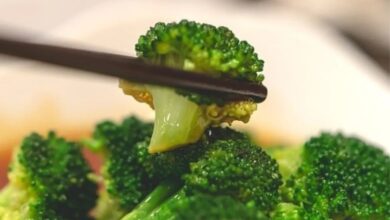
Remarkable recipes and enzos.ca elevate everyday dining experiences with fresh ingredients

- Remarkable recipes and enzos.ca elevate everyday dining experiences with fresh ingredients
- The Importance of Fresh, Seasonal Ingredients
- Building a Flavorful Pantry
- Exploring Culinary Techniques for Maximum Flavor
- The Art of Sauce Making
- The Role of Quality Meats and Seafood
- Selecting and Preparing Seafood
- The Sweet Ending: Desserts and Quality Ingredients
- Beyond the Plate: Building a Food Culture
Remarkable recipes and enzos.ca elevate everyday dining experiences with fresh ingredients
Finding joy in everyday meals is a pursuit many share, and the quality of ingredients plays a pivotal role in achieving flavorful, satisfying results. For those seeking to elevate their culinary experiences, exploring options for fresh, high-quality produce, meats, and artisanal goods is essential. Resources like enzos.ca offer a compelling solution for individuals and families looking to transform ordinary cooking into something truly special. Sourcing ingredients thoughtfully can dramatically impact the taste and nutritional value of home-cooked dishes.
The modern lifestyle often presents challenges when it comes to preparing healthy, delicious meals. Time constraints and busy schedules can make it difficult to prioritize fresh, wholesome foods. However, with convenient options available, such as online marketplaces and local delivery services, accessing premium ingredients is now easier than ever. This empowers home cooks to create restaurant-quality meals in their own kitchens, providing a welcome alternative to processed foods and takeout. Prioritizing freshness and quality need not be a burden, but a rewarding investment in well-being.
The Importance of Fresh, Seasonal Ingredients
Utilizing fresh, seasonal ingredients is a cornerstone of exceptional cooking. Produce at its peak ripeness bursts with flavor and nutritional value, offering a significant advantage over items that have been shipped long distances or stored for extended periods. When ingredients are harvested at the right time, they naturally contain more vitamins, minerals, and antioxidants. This not only enhances the taste of your dishes but also contributes to a healthier diet. Consider the difference between a winter tomato, often pale and lacking in flavor, and a summer tomato, sun-ripened and intensely aromatic—the difference is striking and impacts the entire dish. Supporting local farmers and producers through seasonal eating also strengthens communities and promotes sustainable agricultural practices.
Building a Flavorful Pantry
Beyond fresh produce, a well-stocked pantry filled with high-quality staples is essential for creating consistently delicious meals. Items like extra virgin olive oil, balsamic vinegar, dried herbs, and spices can act as flavor enhancers, transforming simple dishes into culinary masterpieces. Investing in whole grains, legumes, and nuts provides a foundation for nutritious and satisfying meals. Consider the impact a high-quality sea salt or freshly ground black pepper can have on a dish – these small details contribute significantly. Exploring different varieties of these staples can also add depth and complexity to your cooking. Furthermore, don’t underestimate the power of homemade stocks and broths, which can elevate soups, sauces, and stews to new heights.
| Ingredient | Seasonal Peak | Flavor Profile | Best Uses |
|---|---|---|---|
| Strawberries | May-June | Sweet, slightly tart | Desserts, salads, smoothies |
| Tomatoes | July-August | Savory, slightly acidic | Sauces, salads, sandwiches |
| Asparagus | April-May | Delicate, slightly grassy | Roasted, grilled, steamed |
| Pumpkin | October-November | Sweet, earthy | Pies, soups, roasted dishes |
The table above provides a small glimpse into the world of seasonal ingredients and how they can enhance your cooking. Exploring what's currently in season will inspire you to utilize the freshest, most flavorful options available. Remember that seasonality isn’t just about taste; it's also about supporting sustainable practices and enjoying the bounty of nature.
Exploring Culinary Techniques for Maximum Flavor
While quality ingredients are paramount, the techniques employed in preparing them are equally important. Mastering basic culinary skills, such as proper knife work, sautéing, roasting, and braising, can significantly impact the final outcome of a dish. Understanding how heat affects different ingredients and how to balance flavors is crucial for creating harmonious meals. For example, understanding the Maillard reaction—the chemical reaction between amino acids and reducing sugars that gives browned food its distinctive flavor—can elevate simple roasted vegetables to a tantalizing experience. Experimenting with different cooking methods allows you to discover new textures and tastes, expanding your culinary repertoire.
The Art of Sauce Making
Sauces are the heart and soul of many dishes, providing moisture, flavor, and visual appeal. Learning to create a variety of sauces, from simple vinaigrettes to complex reductions, is a valuable skill for any home cook. The foundation of many sauces lies in a roux – a mixture of fat and flour used to thicken liquids. Understanding the different ratios of fat to flour, and the type of fat used, can significantly alter the texture and flavor of the sauce. Emulsified sauces, like hollandaise or mayonnaise, require careful technique to combine oil and water-based liquids. Practicing these techniques will allow you to effortlessly create restaurant-quality sauces in your own kitchen—resources like enzos.ca can help you source the best ingredients for your creations.
- Proper knife skills improve cooking speed and consistency.
- Understanding heat control prevents burning and ensures even cooking.
- Seasoning at the right stages enhances flavor development.
- Using fresh herbs and spices adds vibrancy to dishes.
- Resting meat allows juices to redistribute for tenderness.
These are just a few foundational principles that can dramatically improve your cooking. Consistent practice and a willingness to experiment are key to unlocking your culinary potential. Don't be afraid to try new recipes and adapt them to your personal preferences—cooking should be a joyful and creative process.
The Role of Quality Meats and Seafood
For those who enjoy including meat and seafood in their diets, sourcing high-quality products is essential. Opting for sustainably raised, grass-fed meats and wild-caught seafood ensures a more flavorful and nutritious experience. Conventional farming practices often prioritize yield over quality, resulting in meats with less flavor and potentially harmful additives. Grass-fed animals, on the other hand, develop a richer, more complex flavor profile due to their natural diet. Similarly, wild-caught seafood tends to be leaner and more flavorful than farmed varieties. Supporting responsible farming and fishing practices is also crucial for preserving our natural resources and ensuring the long-term health of our planet.
Selecting and Preparing Seafood
Choosing fresh seafood can be daunting, but understanding a few key indicators can help you select the best options. Look for clear, bright eyes, firm flesh that springs back when touched, and a fresh, sea-like aroma. Avoid seafood that smells overly fishy or appears dull and slimy. Properly storing and preparing seafood is also vital. Keeping it refrigerated on a bed of ice and cooking it to the appropriate internal temperature ensures both safety and optimal flavor. Different types of seafood require different cooking methods—delicate fish like sole benefit from gentle poaching or steaming, while heartier fish like salmon can withstand grilling or baking. Resources for finding quality seafood, and inspiration for recipes, can be found by exploring options such as those offered at enzos.ca.
- Choose seafood with bright, clear eyes.
- Ensure the flesh is firm and springs back when touched.
- Smell for a fresh, sea-like aroma.
- Store seafood properly refrigerated on ice.
- Cook to the appropriate internal temperature.
These guidelines will help you consistently select and prepare delicious, healthy seafood meals. Experiment with different seasonings and sauces to complement the natural flavors of the fish or shellfish.
The Sweet Ending: Desserts and Quality Ingredients
No meal is complete without a satisfying dessert, and the same principles of quality ingredients and careful preparation apply. Utilizing fresh fruits, high-quality chocolate, and pure vanilla extract can elevate simple desserts to extraordinary treats. Avoid artificial flavorings and preservatives, which can detract from the overall experience. Homemade desserts offer a level of freshness and flavor that store-bought options simply cannot match. Whether it’s a classic apple pie, a decadent chocolate cake, or a light and airy fruit tart, choosing quality ingredients will make all the difference.
Consider the impact of using real butter versus margarine, or the difference between pure vanilla extract and imitation vanilla flavoring. These seemingly small choices can have a significant effect on the taste and texture of your desserts. Exploring different types of chocolate, from dark and bittersweet to milk and white, can also add depth and complexity to your creations. Don't be afraid to experiment with different flavor combinations and techniques—baking should be a creative and rewarding experience.
Beyond the Plate: Building a Food Culture
Creating memorable dining experiences extends beyond simply preparing delicious food. It’s about fostering a sense of connection, community, and appreciation for the ingredients and the people who produce them. Sharing meals with loved ones, setting a beautiful table, and engaging in mindful eating all contribute to a richer, more fulfilling experience. Supporting local farmers markets and producers not only provides access to fresh, high-quality ingredients but also strengthens your local community. Learning about the origins of your food—where it comes from, how it’s grown, and who is involved in its production—deepens your appreciation for the entire food system. A thoughtful approach to food extends beyond the plate, impacting our health, our communities, and the environment. Embracing this holistic view of food allows for a more sustainable and meaningful relationship with what we eat.
Ultimately, the goal is to cultivate a food culture that prioritizes quality, sustainability, and connection. This involves making conscious choices about the ingredients we buy, the techniques we use, and the company we keep. Resources like enzos.ca can be a valuable partner in this journey, providing access to exceptional ingredients and inspiring new culinary adventures. The act of cooking and sharing food is a powerful way to nourish our bodies, minds, and souls, and to create lasting memories with those we cherish.